
TSW/eczema is not just about skin.
Understanding your triggers is one of the most important — and often most overlooked — parts of managing TSW and eczema.
Flares can feel random.
Sudden.
Unfair.
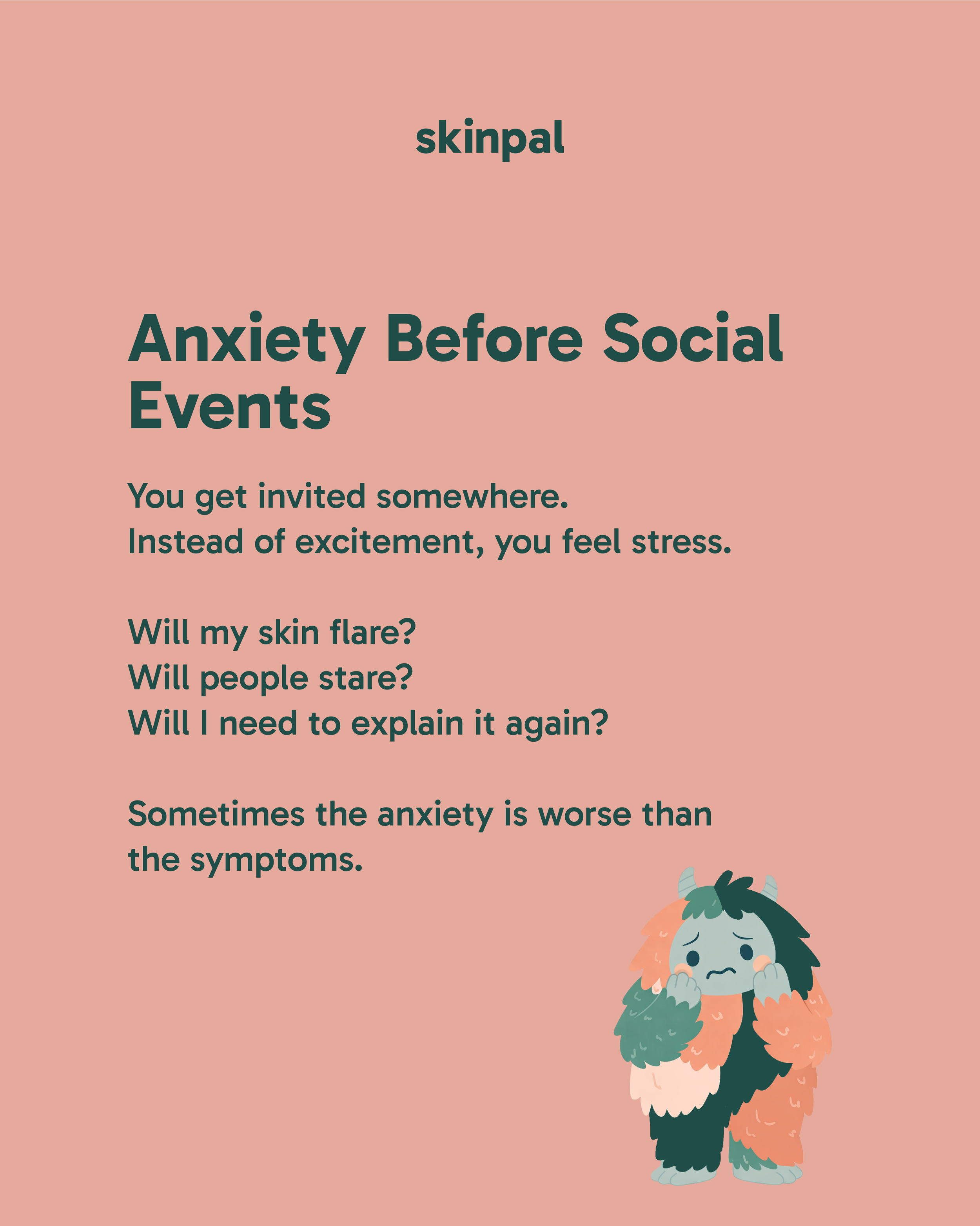
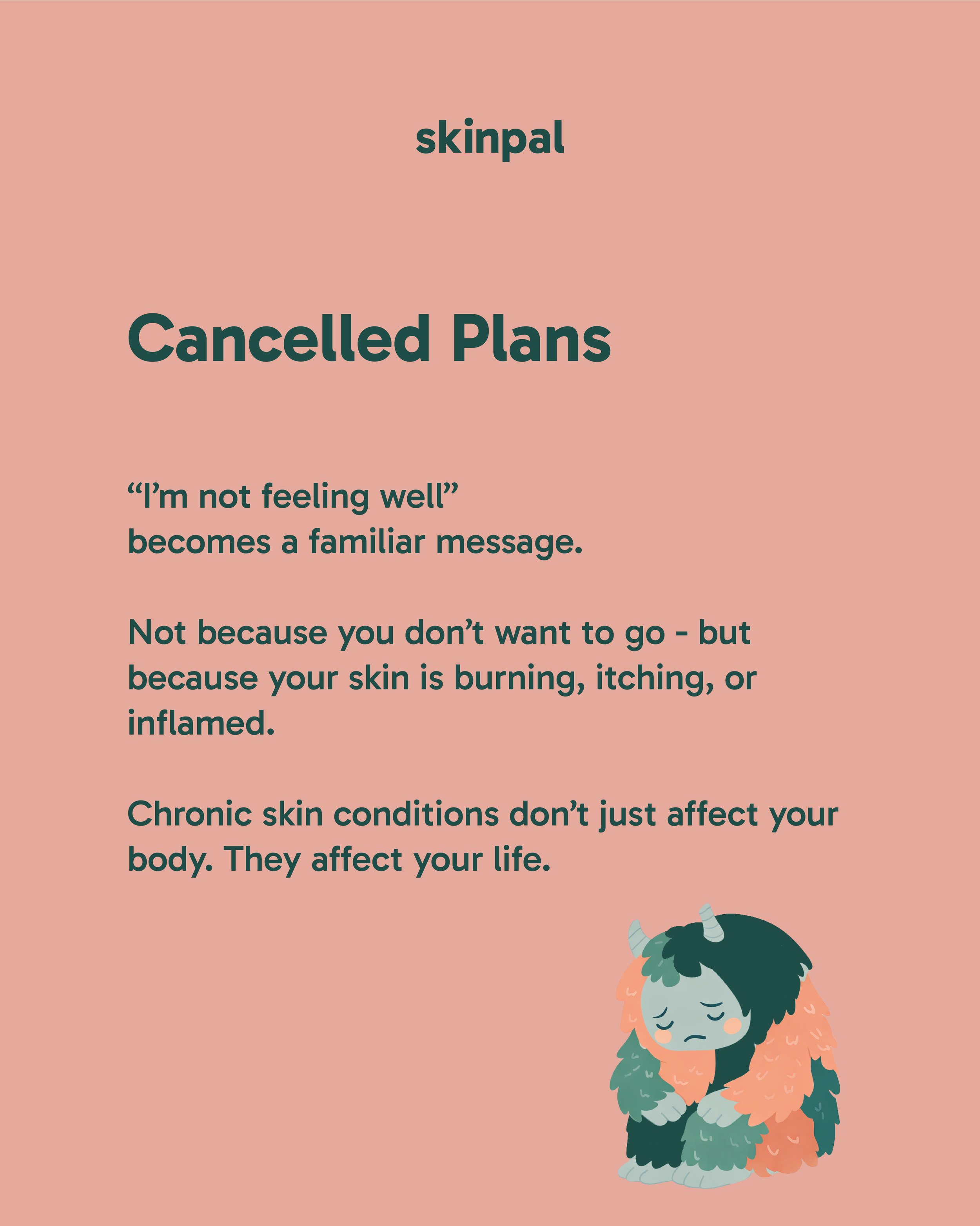
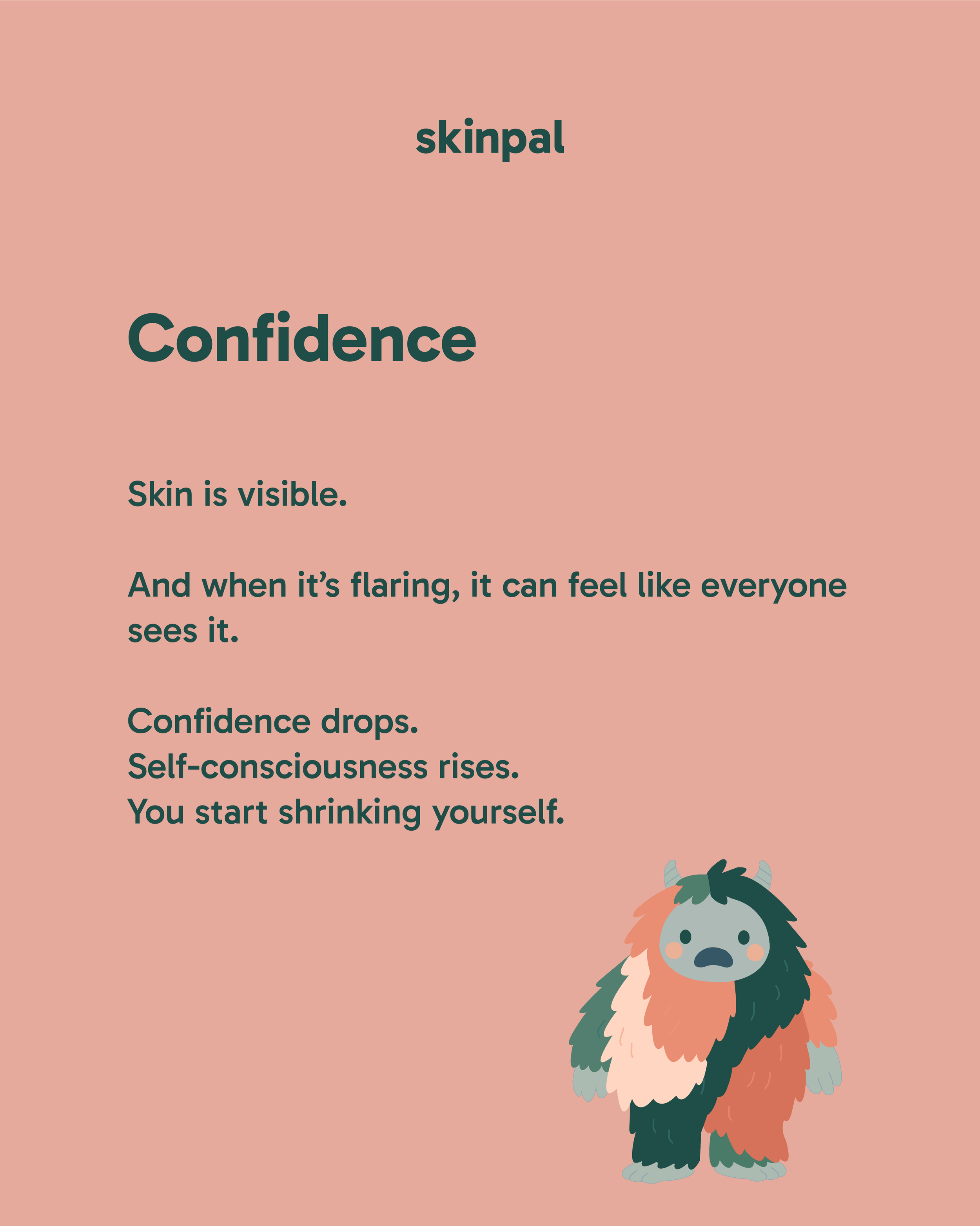
They interrupt your plans, affect your sleep, and chip away at your confidence. It’s easy to feel like your skin is acting against you without warning. But in many cases, flares aren’t completely unpredictable. They follow patterns — small, repeated signals your body has been giving you over time.
Food, stress, sleep quality, weather changes, hormonal shifts, and emotions can all influence your skin. These are everyday factors, which makes them harder to notice. The real challenge isn’t whether they affect you — it’s understanding how and when they do.
The Problem with Relying on Memory
Most people try to track their triggers in their head. You tell yourself you’ll remember what happened before the last flare. You try to piece it together afterward.
But when you’re living with chronic symptoms, disrupted sleep, discomfort, and emotional stress, memory isn’t reliable. It becomes difficult to accurately recall what you ate a few days ago, how stressed you felt last week, or when the flare actually began. Details blur together. Assumptions replace facts.
Without consistent tracking, patterns remain hidden — and your skin continues to feel unpredictable.
A Better Way to Understand Your Skin
When you start documenting your symptoms and daily habits regularly, something changes. Connections become clearer. You might notice that flares tend to follow high-stress periods, that poor sleep worsens inflammation, or that certain environmental conditions make your skin more reactive.
That clarity shifts your mindset. Instead of constantly reacting to flares, you begin to anticipate them. Instead of feeling powerless, you gain insight.
That’s why we’re building an app specifically for people living with TSW and eczema — a space where you can track symptoms, mood, stress, food, sleep, and personal reflections in one place. You’ll also be able to upload photos to visually document progress and connect with a community that understands the journey.
Because when you can clearly see your patterns, you move from guessing to knowing. And that awareness is the first step toward prevention, not just reaction.
